There Were People Here
Clara Chalfant
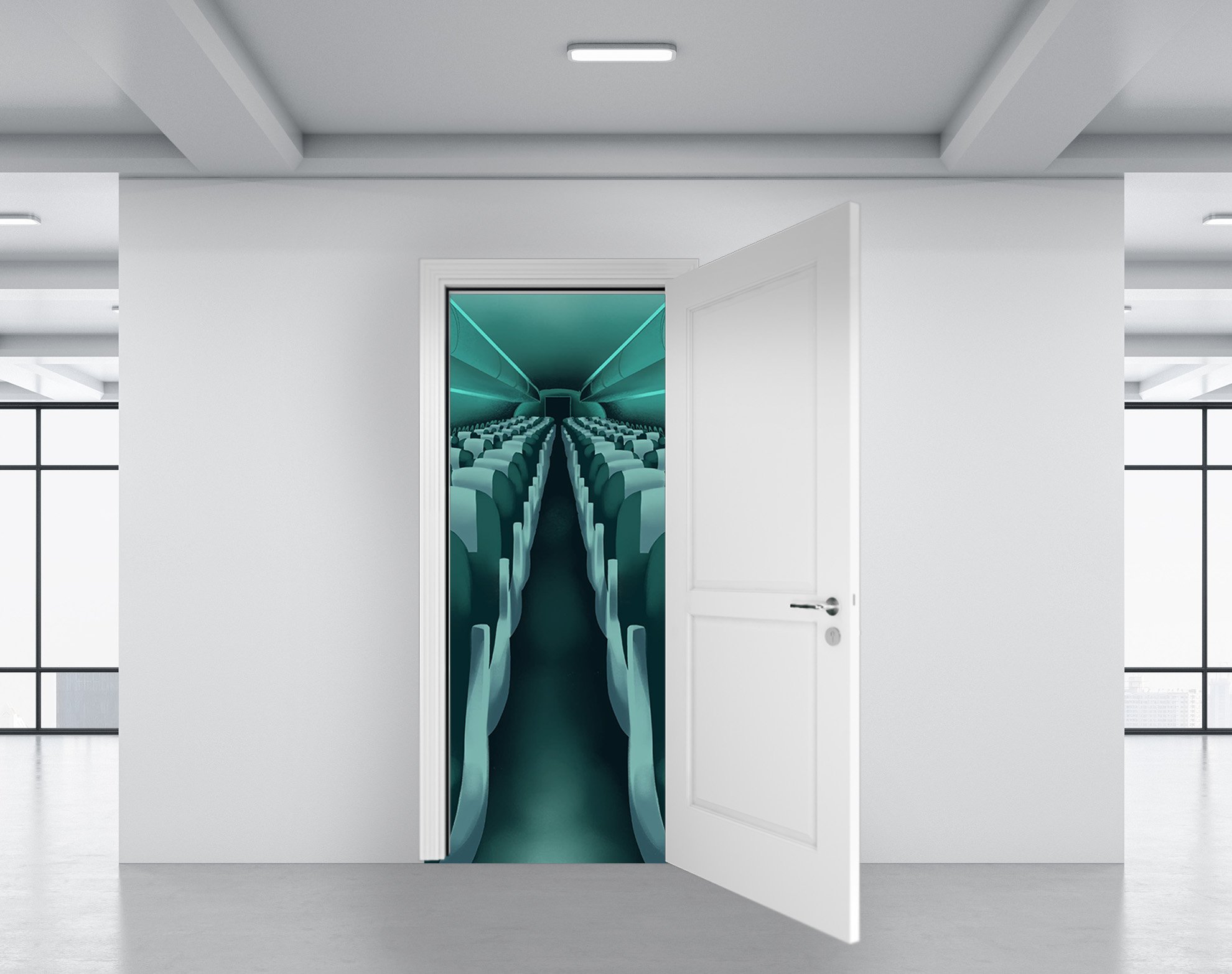
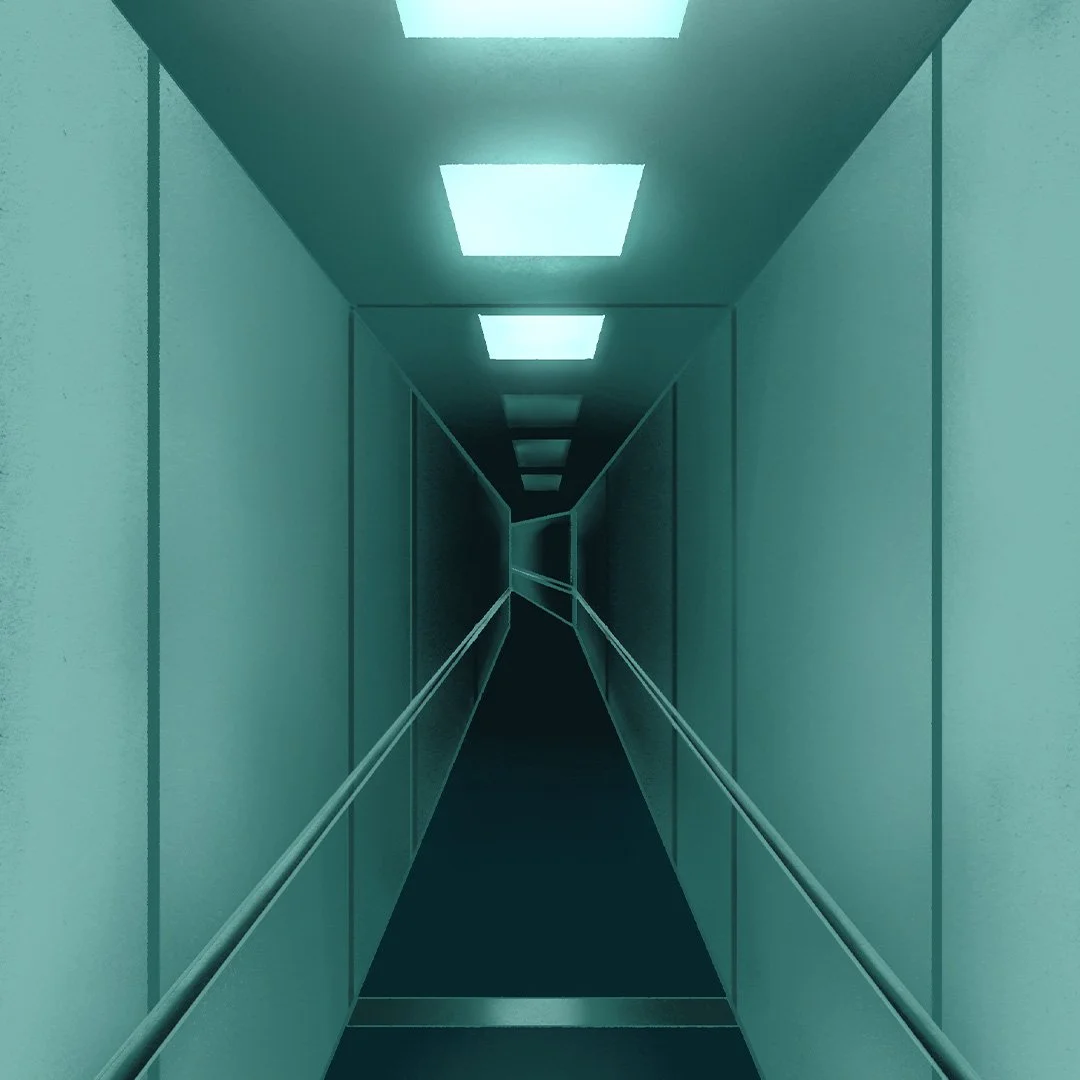
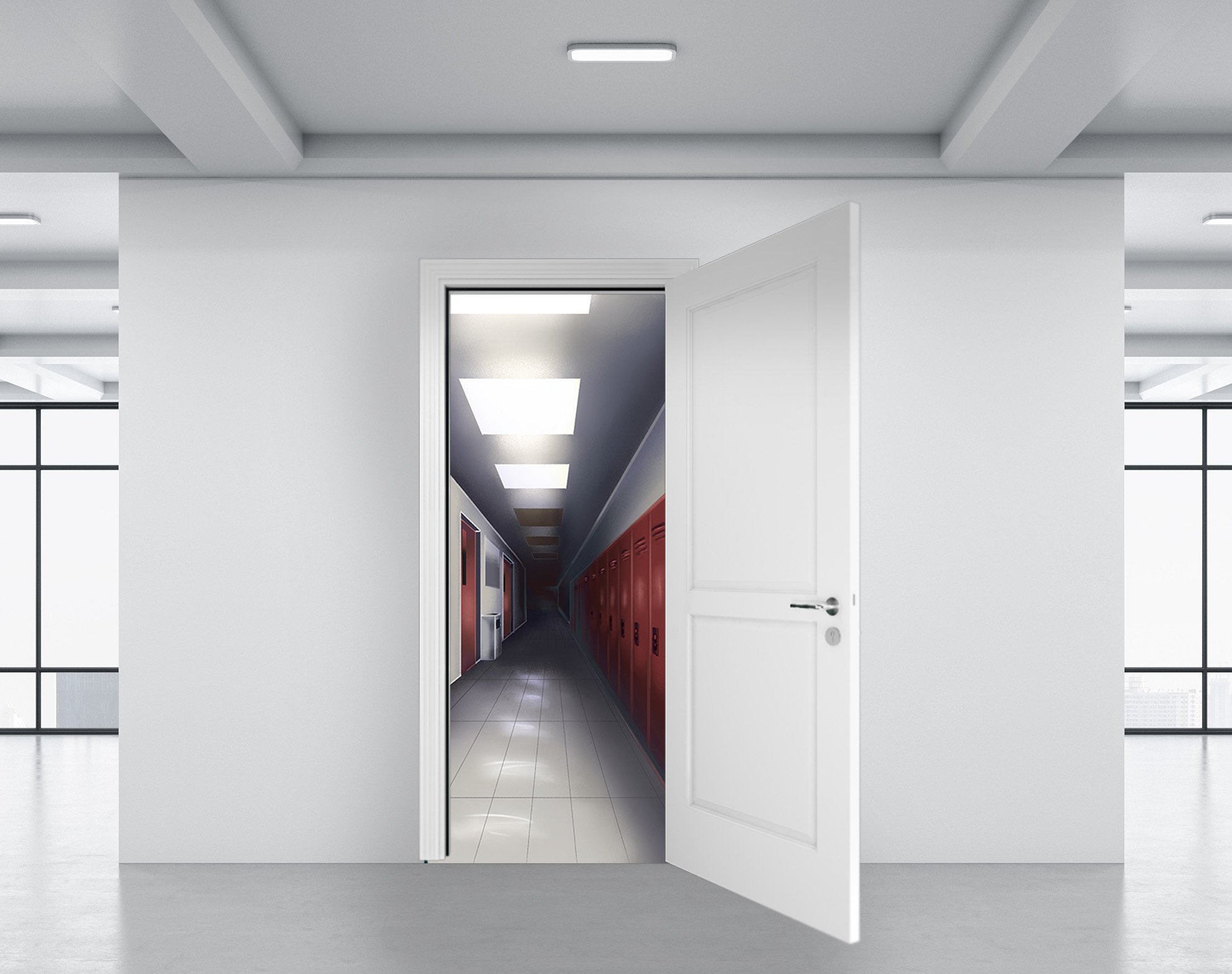
This project explores the psychological effects of the COVID-19 pandemic through the visual language of liminal spaces. The events of the pandemic have reshaped the lives of many, altering social structures, work environments, and our collective sense of normalcy. Even now, this period of time remains vivid in public memory. As social interaction stopped and quarantine measures pushed people into a period of isolation, the buildings that once buzzed with activity (such as offices, schools, and shopping centers) fell eerily silent. These suddenly vacant environments mirror the aesthetic of liminal spaces: empty hallways, abandoned architecture, and places designed for crowds yet devoid of human presence.
The concept of liminality, introduced by anthropologist Arnold van Gennep, describes the transitional state between one phase of life and the next.1 This framework can be applied not only to individuals but to society as a whole. During the pandemic, familiar structures and routines were disrupted, and rituals of life forced to change, forcing communities into a collective state of transition. My project draws on this idea by incorporating imagery, symbols, and objects associated with the pandemic to evoke the emotional landscape of isolation, uncertainty, and transformation.
Sound plays a crucial role in reinforcing this atmosphere. The audio features ambient crowd noise and the indistinct hum of public spaces. These sounds serve as a reminder that people are meant to inhabit these environments, even though they remain visually absent. This contrast is intended to create a subtle sense of unease, echoing the psychological tension of the pandemic experience.
Media that uses the environment of liminal spaces often leans toward a quiet, uncanny form of horror. Sometimes there isn’t a visible threat; instead, the discomfort arises from traces of human presence without humans themselves. This emotional resonance parallels the loneliness and disconnection many felt during the lockdowns. By visually and sonically invoking this unease, my project reflects on the mental and emotional impact of that period.
At its core, this project examines feelings of isolation, uncertainty, and suspended transition. Through illustration, sound, and animation it invites viewers to reconnect with a moment in time that shaped us collectively, encouraging reflection on how we navigated a world suddenly forced to change the structures that built it.