Worth my Weight in Woe
Rex Herlin
Were every ounce of my body converted to an ounce of gold, I would be worth $17,806,067.28. In exchange for the incomparable phenomenon of consciousness, I could feed my entire family for generations. Yet I am no alchemist; I cannot even support myself.
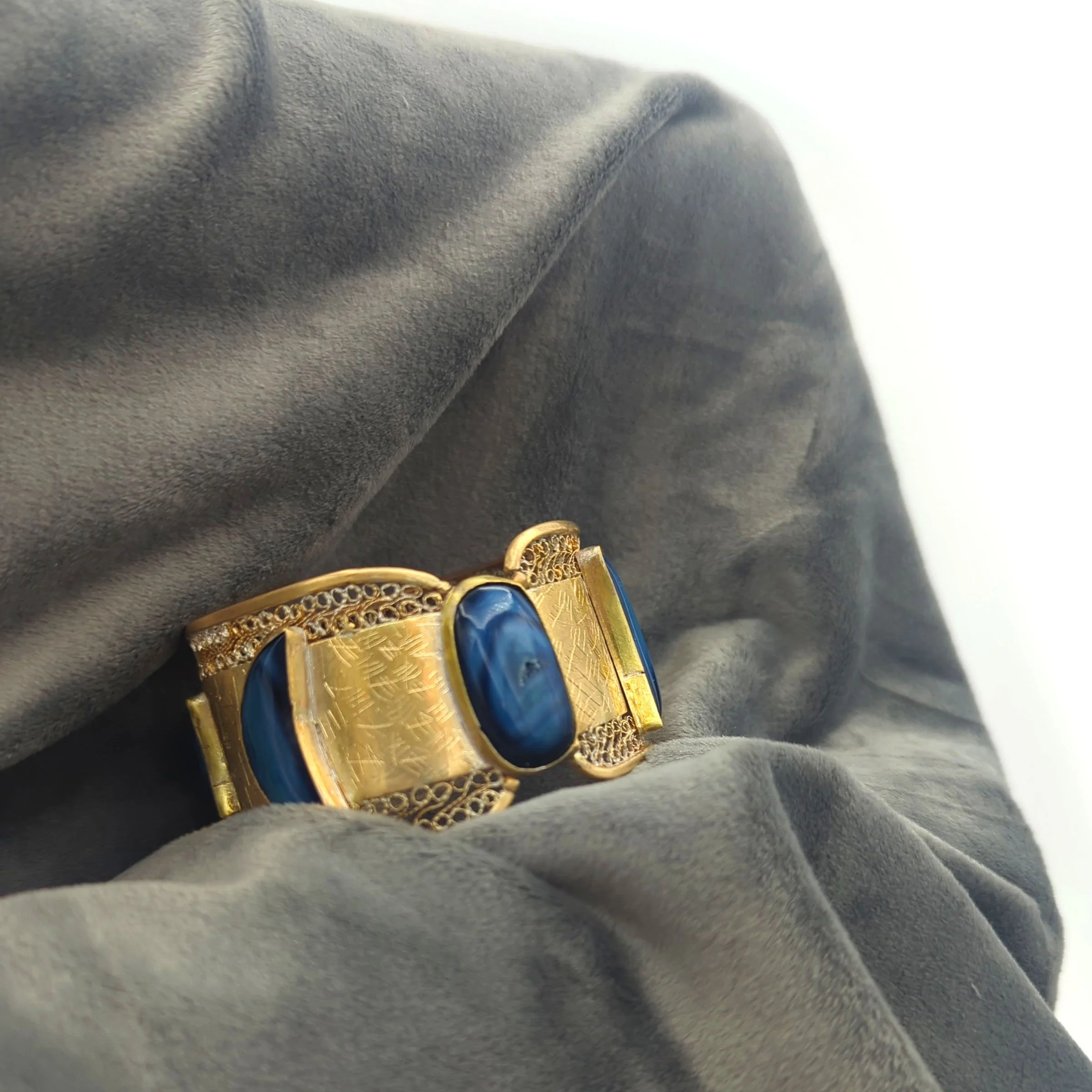
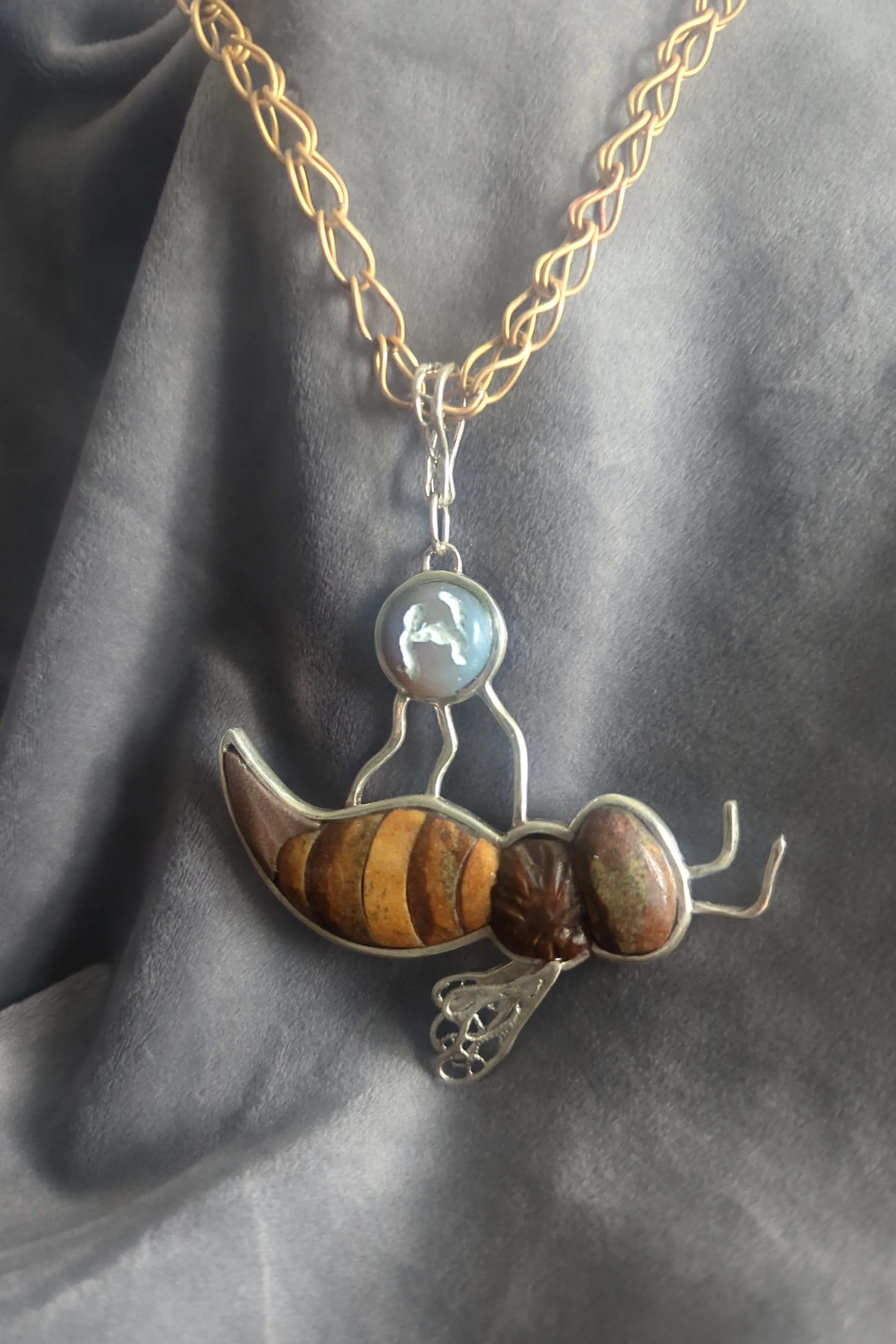
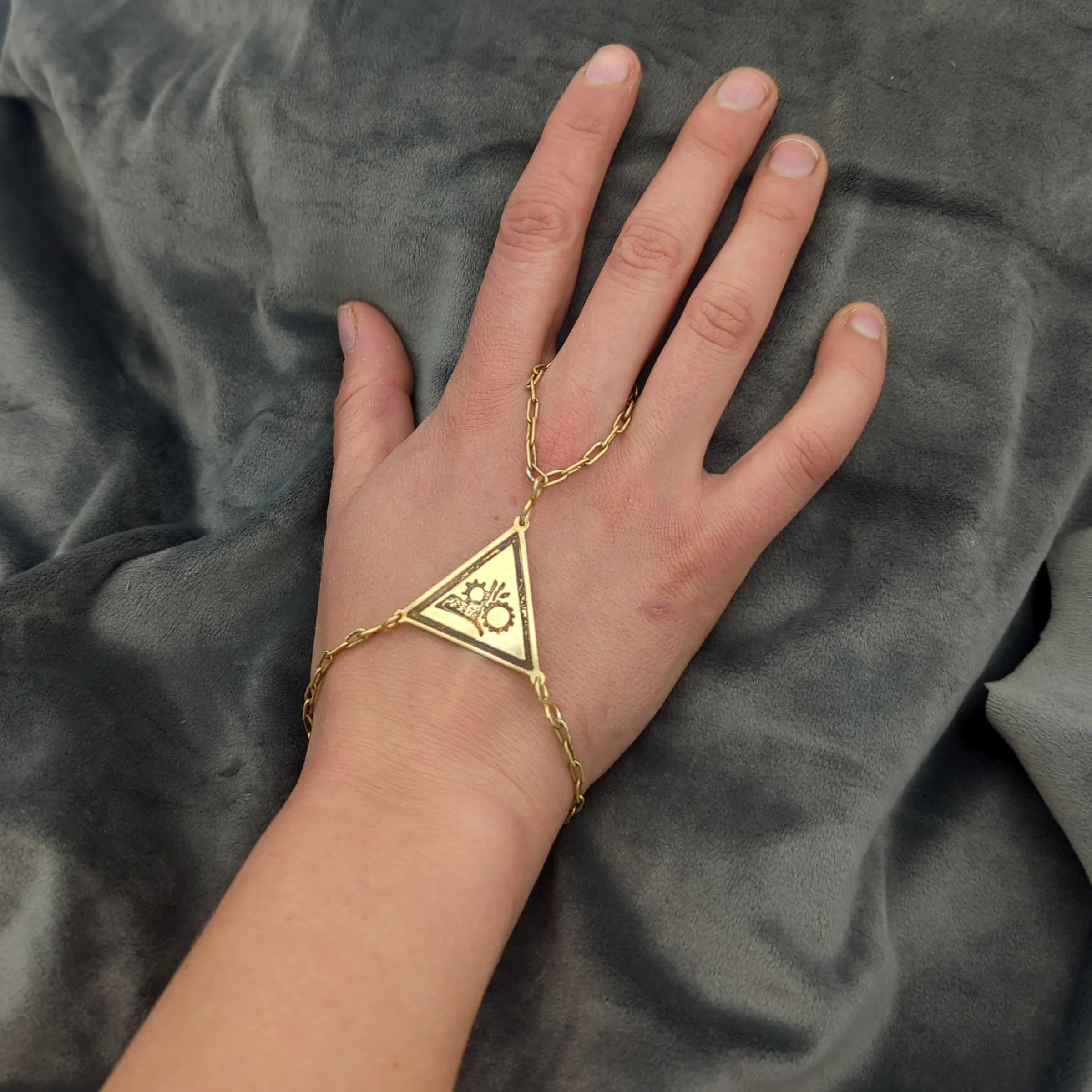
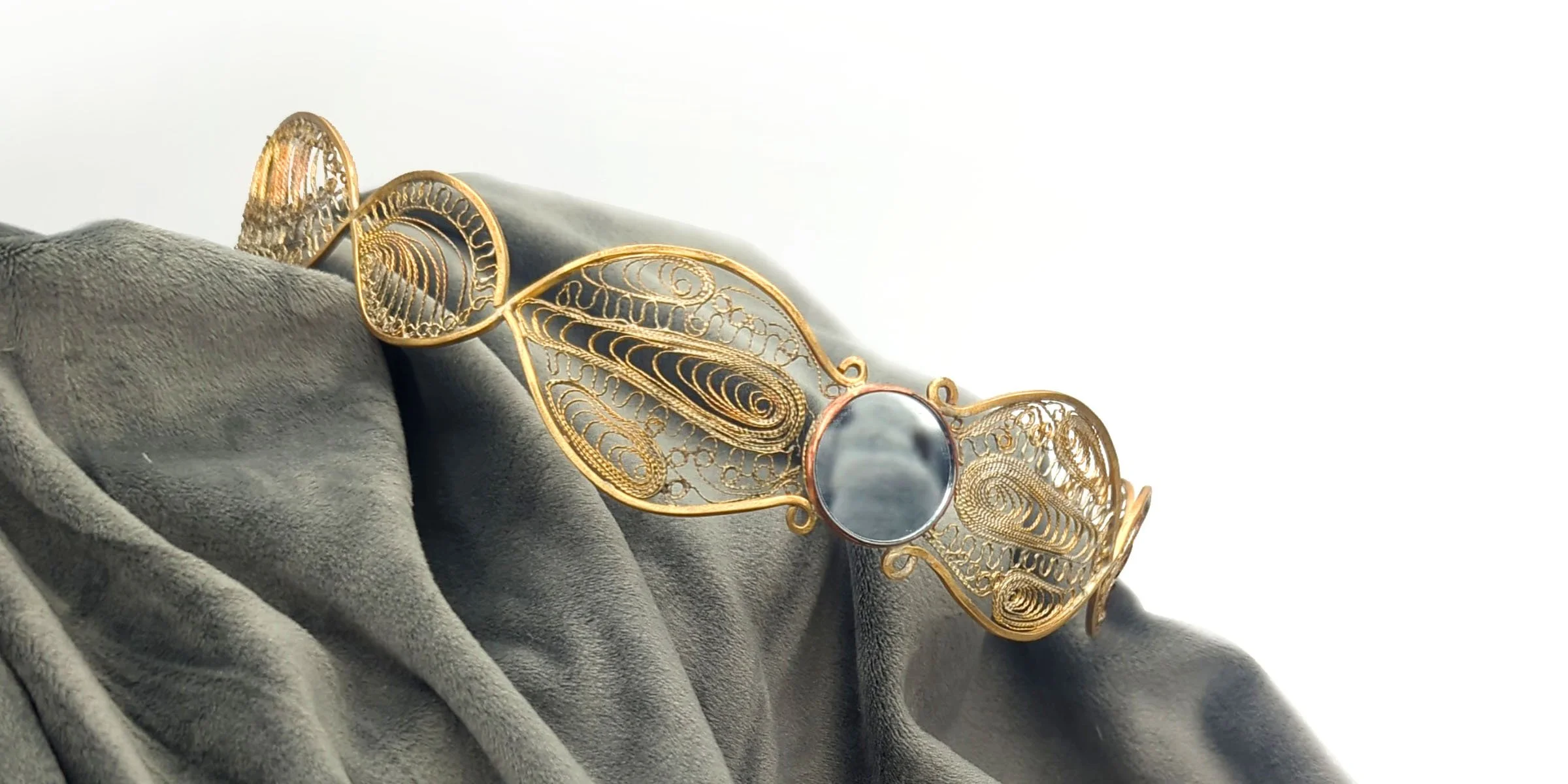
Worth my Weight in Woe weighs the quantification and devaluation of human life under capitalism. Money is the metric of a successful adult, manifesting in unreachable dreams of wealth, status, and prosperity: parenthood and a white-picket fence. It is no wonder, then, that so many of us feel like desperate animals struggling for the money to meet our most basic needs. Sad, soft, and desperate for comfort, the disenfranchised worker comes to feel like a stuffed animal, a marketable facsimile of an intelligent creature. Like the elephant underneath this jewelry, I move through life feeling awkward, lumpy, juvenile. Eyeless, for I lack a soul; fingerless, for I lack ability; mouthless, because my words lack worth. I have several stuffed elephants that provide me comfort on hard days. As an adult, this, too, is a point of shame.
Few things are as eye-catching as the glint of light off a piece of jewelry. It is the classic symbol of social and economic status made manifest, precious metals and stones buffed to a dazzling shine that eclipses the labor of miners and refiners and porters and manufacturers. Expensive objects are scrubbed clean of fingerprints from the hands that made them: wealth without workers, honey without bees. If society will not recognize my worth as inherent, I must cloak myself in the form of value it does recognize. If I create something shiny, something laborious, something marketable, perhaps it will appease the paymasters who determine my ability to move through society intact. Though I am soft, I emulate the hardness of metal in hopes that the world will mistake its worth for mine.